Why traceability platforms are now essential for compliance

Compliance used to mean a folder of records nobody looked at until something went wrong. That model has run out of road. A food brand selling into the United States, the European Union and Asia is now answering to a federal traceability mandate, a global barcode transition and several market-specific labelling laws at once, often on the same SKU. Spreadsheets and disconnected systems cannot hold that together. This article explains why a traceability platform is now the baseline for compliance, not an upgrade, and what it actually has to do across the regulations CPG brands face today.
What is a traceability platform?
A traceability platform is a single system that records where a product and its inputs have been, links those records through every batch and transformation, and makes the data retrievable on demand. It connects raw material origin, manufacturing events, shipment conditions and the on-pack code into one continuous record rather than separate logs held in separate places.
The distinction that matters is connection. Most brands already capture traceability data somewhere. The problem is that it sits in a supplier email, a warehouse export and a co-packer's paperwork, and none of it links. A platform holds the full traceability record in one place, tied to lots and codes, so a question asked at the shelf can be answered all the way back to source.
Why is traceability now a compliance requirement?
Traceability is now a requirement because the major regulations of the last three years all demand linked, retrievable records rather than static labels. FSMA 204 in the United States, GS1 Sunrise 2027 globally, EU wine labelling and the EU Deforestation Regulation each assume a brand can produce specific data about a specific product on request.
FSMA 204 makes this explicit. Under the FDA's Food Traceability Rule, businesses handling foods on the Food Traceability List must keep linked records of Critical Tracking Events and supply them to the FDA within 24 hours of a request. The compliance date is 20 July 2028. The cost of getting it wrong is not abstract. The Grocery Manufacturers Association and Food Marketing Institute put the average direct cost of a food recall at USD 10 million, before lawsuits, lost sales or damage to the brand. Traceability is what turns a recall from a sweeping, expensive guess into a precise one.
Which regulations is one platform expected to cover?
One platform is now expected to cover several regulations at once because brands rarely sell into a single market. The same product may need FSMA 204 records in the US, a 2D barcode for retail in every market, compliant ingredient and nutrition disclosure in the EU, and origin data for deforestation-risk inputs.
The regulations stack quickly. GS1 Sunrise 2027 asks retailers to be able to scan 2D barcodes at point of sale by the end of 2027, and major retailers are already setting their own supplier deadlines ahead of it. EU wine labelling has been mandatory since 8 December 2023, requiring ingredient and nutrition information to be accessible digitally and kept free of marketing. The EU Deforestation Regulation requires geolocation and due diligence data for commodities such as cocoa, coffee and soya, with large operators in scope from 30 December 2026. Managing each through a separate tool is how brands end up with four codes on a pack and no single source of truth. As Rhys Williamson puts it, most companies treat compliance like a tax, and the ones that do not are quietly building an advantage.
How does a traceability platform handle multiple markets from one code?
A traceability platform handles multiple markets by routing a single on-pack code to different content depending on where and how it is scanned. The same GS1 Digital Link can serve compliant nutrition data in the EU, brand content elsewhere, and a full supply chain record to a regulator, all without reprinting packaging.
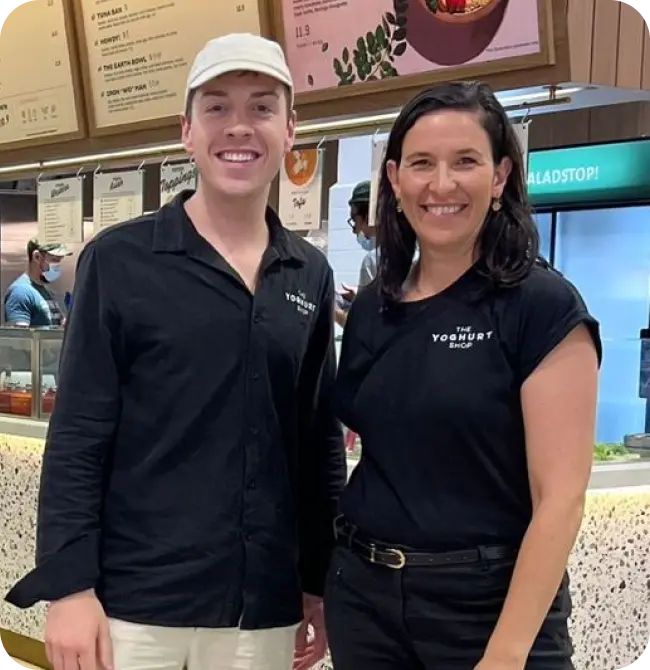
This is the part most brands underestimate. The Yoghurt Shop launched premium Australian fresh yoghurt into Singapore and used IoT trackers to record temperature and location from production through to shelf, turning guesswork into verifiable data.
Small Things Wine learned the same lesson the hard way after a Swedish buyer rejected a non-compliant label. Their position on data is the one every multi-market brand reaches eventually.
How do brands choose the right platform?
Brands choose the right platform by checking it covers their actual compliance map, links records across lots and transformations, and retrieves data fast enough to satisfy a regulator. The test is whether one system can answer for every market a product reaches, not whether it does one regulation well.
The practical questions are narrow. Does it generate GS1-compliant 2D barcodes? Can it produce FSMA 204 records within the 24-hour window? Can it route market-specific content from one code? Our guide on how to choose DPP software covers the evaluation in detail. The brands that buy for the whole map, rather than the nearest deadline, avoid rebuilding the same infrastructure twice.
If you are mapping your compliance obligations across markets, start by checking whether one system can cover all of them. See how the FSMA 204 solution and the wider traceability platform fit together.
FAQ
Is a traceability platform mandatory for compliance?
No single law names a platform by type. The regulations require outcomes a platform delivers: linked records, 24-hour retrieval under FSMA 204, digital disclosure for EU wine labelling and 2D barcodes for retail. For a brand selling across several markets, meeting all of these without one connected system is impractical.
What is the difference between traceability and a QR code?
A QR code is the access point. Traceability is the data behind it. A 2D barcode on a pack can carry a GS1 Digital Link, but the link is only useful if it resolves to accurate, linked records about that specific batch. The platform holds and connects the records the code points to.
Does FSMA 204 apply to my product?
FSMA 204 applies to anyone who manufactures, processes, packs or holds a food on the FDA's Food Traceability List, including fresh produce, certain cheeses, shell eggs, nut butters and ready-to-eat deli salads. The compliance date is 20 July 2028, though some retailers are enforcing earlier on their own timelines.
Do I need to redesign my packaging to comply?
Usually not. A single 2D barcode can carry a GS1 Digital Link that serves compliant content per market and supports retail scanning. Brands add one permanent code rather than redesigning packaging for each regulation, and update the destination content without reprinting.
Can one platform cover both food and non-food products?
Yes. Traceability requirements share the same structure across categories: linked records, batch-level data and a digital access point. A platform built for food traceability covers wine, supplements, household goods and the directional requirements arriving through the EU Digital Product Passport for non-food categories.
How fast does a regulator expect a traceability record?
Under FSMA 204, a business must provide complete traceability records to the FDA within 24 hours of a request. That window is only realistic if records are already linked and digital. Retrieving them from email, paper and disconnected exports inside a day is rarely achievable.
Does traceability help with anything beyond compliance?
Yes. Clean traceability data also supports recalls, inventory, anti-counterfeiting and direct consumer engagement. The same records that satisfy a regulator can confirm a product's origin to a shopper or surface verified data to AI shopping agents, which is why brands increasingly treat traceability as a commercial asset.