Real-time compliance monitoring: why it matters


Most compliance records are written once and filed away. The product then travels for months across borders, distributors, and shelves while the record sits frozen at the point it was created. When a regulator asks a question or a batch goes wrong, the gap between what the paperwork says and what is actually happening becomes the problem. Real-time compliance monitoring closes that gap. This article explains what it is, why static records keep failing brands, and what changes when compliance data updates live.
What is real-time compliance monitoring?
Real-time compliance monitoring is the practice of tracking regulatory and product data as it changes, rather than recording it once at production. It links live events such as batch movement, temperature, location, and disclosure updates to the product itself, so the compliance picture stays current from factory to shelf and can be queried at any point.
The difference is between a snapshot and a feed. A static record captures a moment. A live system captures the product as it moves, which matters when a regulation asks you to prove conditions across the whole journey rather than at one fixed point. For brands preparing for connected-packaging rules, this shift is the foundation. You can read the wider regulatory backdrop in our guide to the EU ESPR.
Why do static compliance records keep failing?
Static records fail because products keep moving after the record stops. A label printed in Australia cannot account for conditions in transit, a disclosure update mid-run, or a market that reads the data differently. The result is records that are accurate on day one and wrong by the time anyone checks them.
The scale of the problem is visible in the data. The EU Rapid Alert System for Food and Feed logged 5,250 notifications in 2024, a 12% rise on the previous year. Each notification is a moment where someone needed to know exactly what happened to a product and when. When the only answer is a static file, brands lose days reconstructing a chain that a live system would already hold. Building that chain properly is why traceability platforms are essential, not optional.
What does real-time monitoring change when a recall hits?
During a recall, real-time monitoring turns guesswork into a query. Instead of pulling paper from multiple sites, a brand can isolate the affected lots, see where they travelled, and respond at the level of the batch rather than the entire product line. That precision protects both consumers and the brand from a far wider withdrawal.
The stakes are financial as well as reputational. A single food recall costs around 10 million US dollars in direct expenses alone, before lost sales and brand damage. FSMA 204 sharpens this further by requiring records to reach the FDA within 24 hours of a request. A live system holds the linked lot and event data ready, which is the difference between meeting that window and missing it. Our FSMA 204 overview sets out the recordkeeping detail.
How does live monitoring support the EU Digital Product Passport?
The EU Digital Product Passport, introduced under the Ecodesign for Sustainable Products Regulation, expects structured product data to be accessible across the full lifecycle. That is a live requirement by design. The data has to stay current and queryable long after the product ships, which is exactly what real-time monitoring provides.
The timeline is already fixed. The ESPR Working Plan 2025 to 2030 was adopted on 16 April 2025, and the related EU battery passport becomes mandatory on 18 February 2027 under Regulation (EU) 2023/1542. Food and beverage sit outside the first DPP categories, but the direction is set. Brands that hold product data as a live feed today are ready for the structured, lifecycle-long access these rules assume. See how this maps to deeper supply chains in our note on tier-2 traceability, and how the access mechanism works on the Digital Product Passport solution page.
What real-time monitoring looks like in practice
In practice, live monitoring means the data on a product keeps updating as the product moves, and anyone with the right access can check it on demand. It turns a product record from a file into a feed, and it keeps working long after the product has left the building.
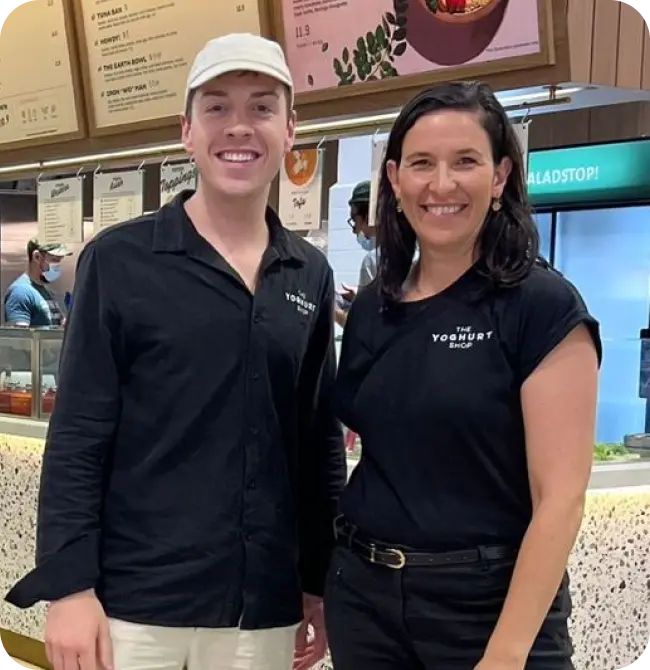
The Yoghurt Shop launched premium Australian yoghurt into Singapore with no visibility once stock left Australia. Integrated IoT trackers recorded temperature and location across the journey, and consumer scans confirmed when stock moved from warehouse to shelf.
This is where the founder view of our co-founder Rhys Williamson lands. His published position is plain. Most companies treat compliance like a tax, and the ones that do not are quietly building an advantage. When the data is clean enough to satisfy a regulator, it is usually clean enough to become a customer promise. Real-time monitoring is what makes both true at once.
If you are preparing for the EU Digital Product Passport and want product data that stays current across markets, see how connected packaging holds it live.
FAQ
What is real-time compliance monitoring?
It is the practice of tracking regulatory and product data as it changes across the supply chain, rather than recording it once at production. Events such as batch movement, temperature, location, and disclosure updates stay linked to the product, so the compliance picture is current and can be queried at any point from factory to shelf.
How is it different from a standard traceability record?
A standard record captures one moment, usually at production. Real-time monitoring captures the product as it moves and keeps the data current. The first is a snapshot, the second is a feed. That difference matters most when a regulation asks you to prove conditions across the whole journey rather than at a single fixed point.
Does the EU Digital Product Passport require real-time data?
The EU Digital Product Passport expects structured product information to be accessible across the full lifecycle, which is a live requirement by design. The ESPR Working Plan 2025 to 2030 was adopted on 16 April 2025. Food and beverage are not in the first categories, but the direction toward lifecycle-long, queryable data is clear.
How does live monitoring help during a recall?
It lets a brand isolate the affected lots, trace where they travelled, and respond at batch level rather than withdrawing an entire product line. A single food recall costs around 10 million US dollars in direct expenses alone. Precise, live data narrows the scope of any withdrawal and protects both consumers and the brand.
What does FSMA 204 require for record speed?
FSMA 204 requires entities holding foods on the FDA Food Traceability List to provide linked traceability records to the FDA within 24 hours of a request. A live system holds the lot and event data ready, which is the practical difference between meeting that 24-hour window and missing it during an active investigation.
Do food and beverage brands need to act now?
Yes. While the Digital Product Passport starts with non-food categories, similar live-data expectations already run through FSMA 204, EU food safety alerts, and market-specific disclosure rules. Brands that hold product data as a live feed today avoid a scramble when the same structured-access logic reaches their category.
Does real-time monitoring require a packaging redesign?
No. A single connected QR code on existing packaging can carry the live link. The data updates behind the code, so brands can change disclosures, add markets, or surface batch events without reprinting. The physical pack stays the same while the compliance picture behind it stays current.