
EUDR
EU Deforestation Regulation
Manage deforestation-free supply chain disclosure through location-based traceability and interoperable data exchange.
What is The EU Deforestation Regulation (EUDR)?
The EU Deforestation Regulation (Regulation (EU) 2023/1115) introduces due diligence and disclosure requirements for products linked to deforestation-risk commodities. It requires operators and traders to collect, maintain, and share information demonstrating that regulated products originate from compliant locations and are not associated with deforestation or forest degradation.
Who it Applies to and When
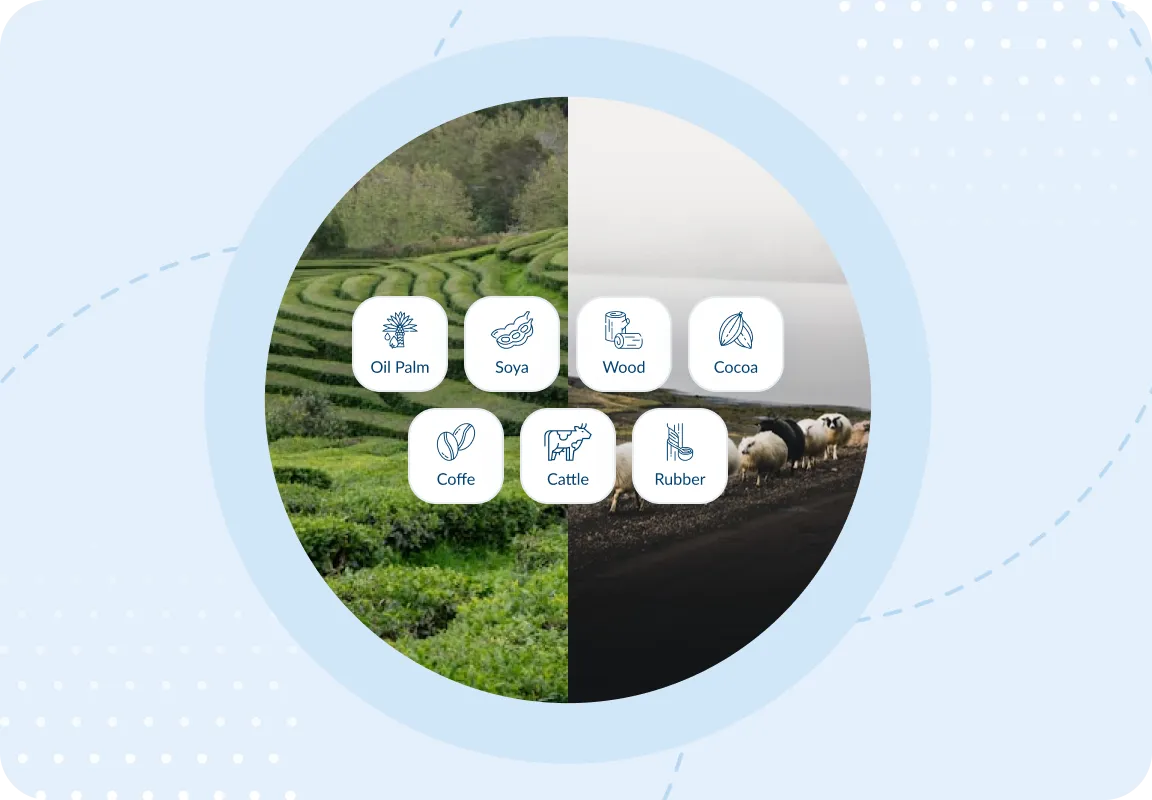
EUDR applies to operators and traders placing certain commodities and derived products on, or exporting them from, the EU market. Regulated commodities include cattle, cocoa, coffee, palm oil, rubber, soy, and wood, along with products derived from them. Obligations are phased in over time, with requirements focused on origin verification, geolocation data, and structured due diligence disclosures.
How Orijin Plus Supports EUDR Readiness
Orijin Plus supports brands preparing for these requirements through a connected packaging platform that manages traceability and product data from source through to market.
Location-based Primary Production and Lot Tracking
Orijin Plus enables traceability to begin at the point of primary production, capturing location-based events before materials are transformed into raw materials, manufactured products, or logistics units. This creates a continuous digital record of origin and transformation that aligns with EUDR due diligence expectations.
Practical Capture Across Complex Supply Chains
The platform supports traceability data capture through mobile field applications, IoT integrations, and GPS-enabled tracking where appropriate. This allows producers and brand owners to collect origin and movement data in real operating environments, rather than relying on fragmented or retrospective reporting.
Interoperable Data Sharing Using GS1 Identifiers
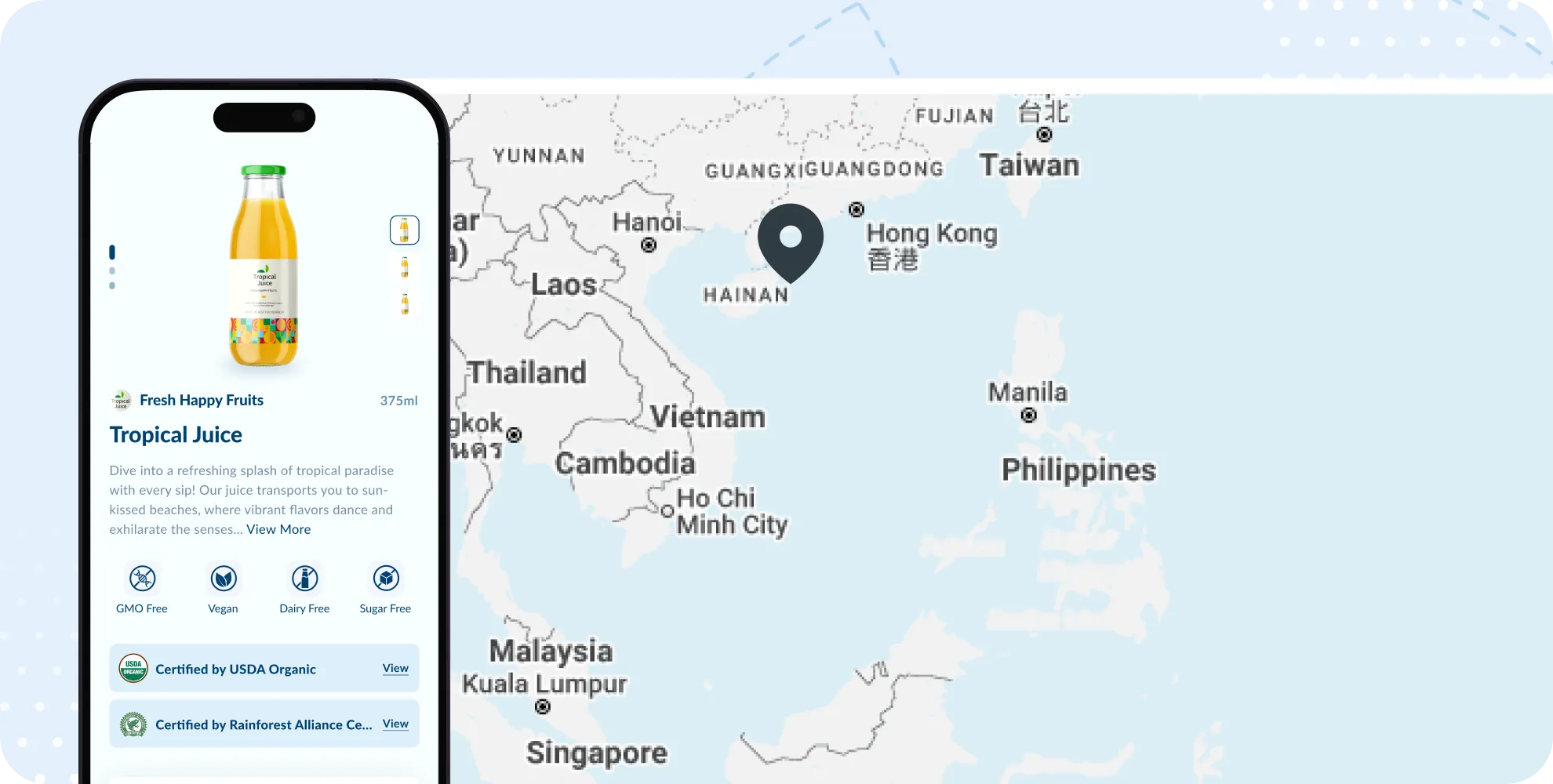
Orijin Plus operates a GS1 Digital Link resolver that associates traceability and origin data with standard GS1 identifiers. This enables relevant information, including data supporting due diligence statements, to be shared interoperably with upstream and downstream trading partners, data networks, or regulators when required.
Adaptable Disclosure as Requirements Expand
As EUDR obligations mature, Orijin Plus allows brands to extend how traceability data is used, from internal due diligence through to automated disclosures, data network participation, or optional downstream surfacing through Digital Product Passport or 2D barcode frameworks. Brands can adopt additional capabilities over time without rebuilding their traceability foundation.
The Brands That Will Lead 2027 Are Already Getting Ready
Free to start. Live in days. No credit card, no commitment.
Get Compliant Today