Small Things Wine - Leading The Future of 2D Barcodes with Purpose and Precision
Overview
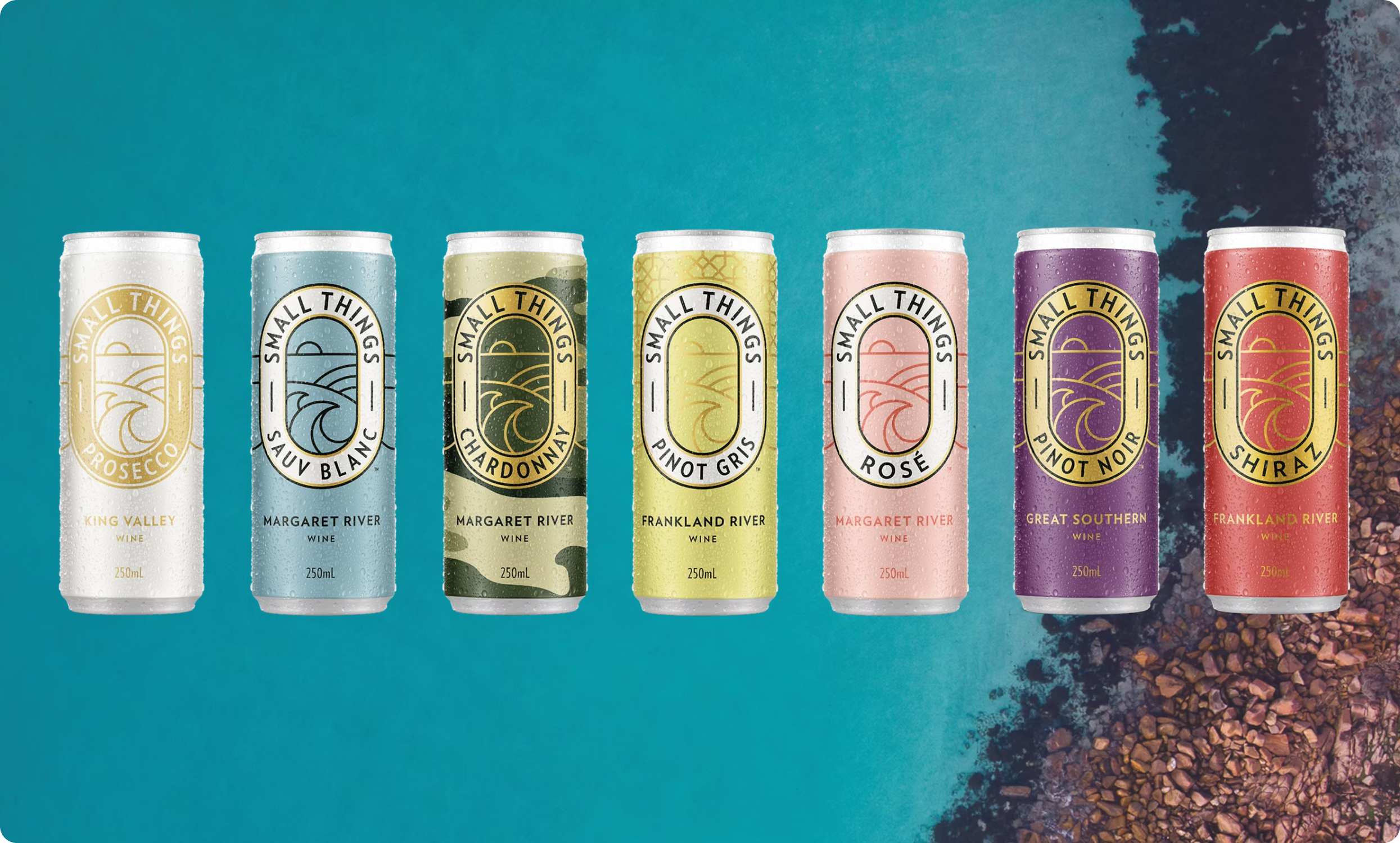
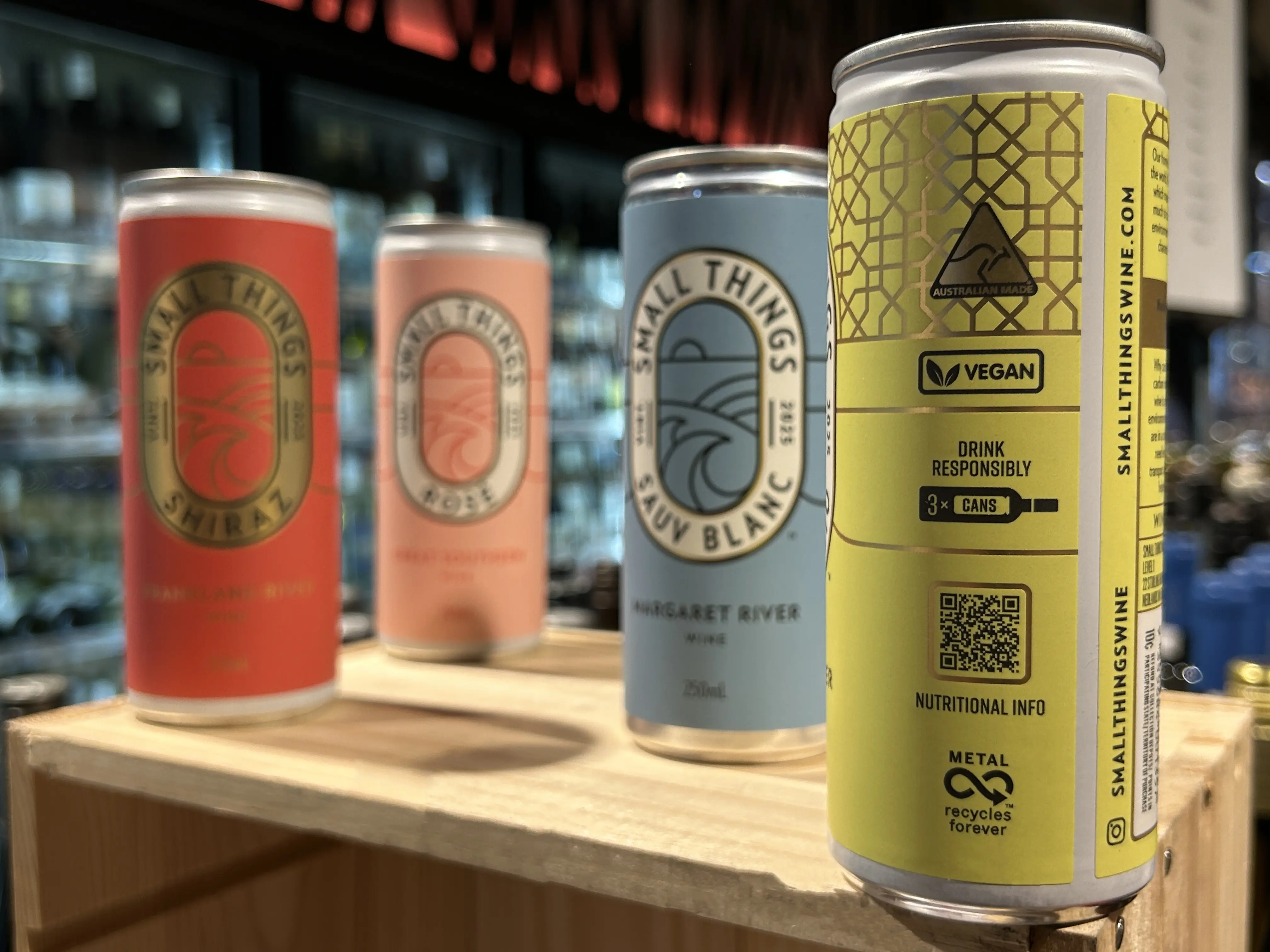
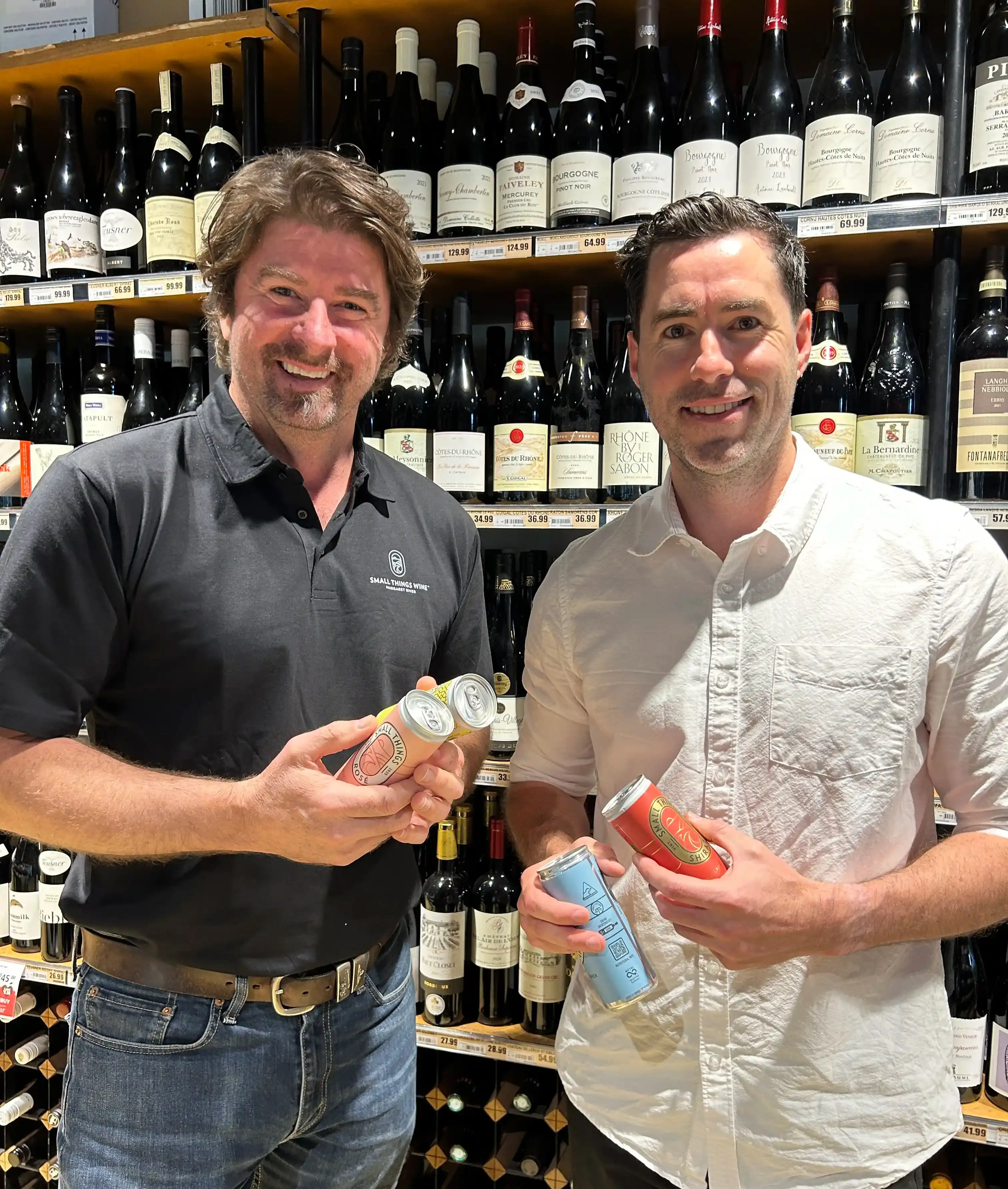
Small Things Wine has always stood for doing things the right way. Founded by winemaker Ian Batt, the brand focuses on small batch production, low intervention winemaking, and packaging choices that put sustainability at the centre. From recyclable cans to lightweight transport footprints, Small Things Wine was built on the belief that great wine can also be a responsible product.
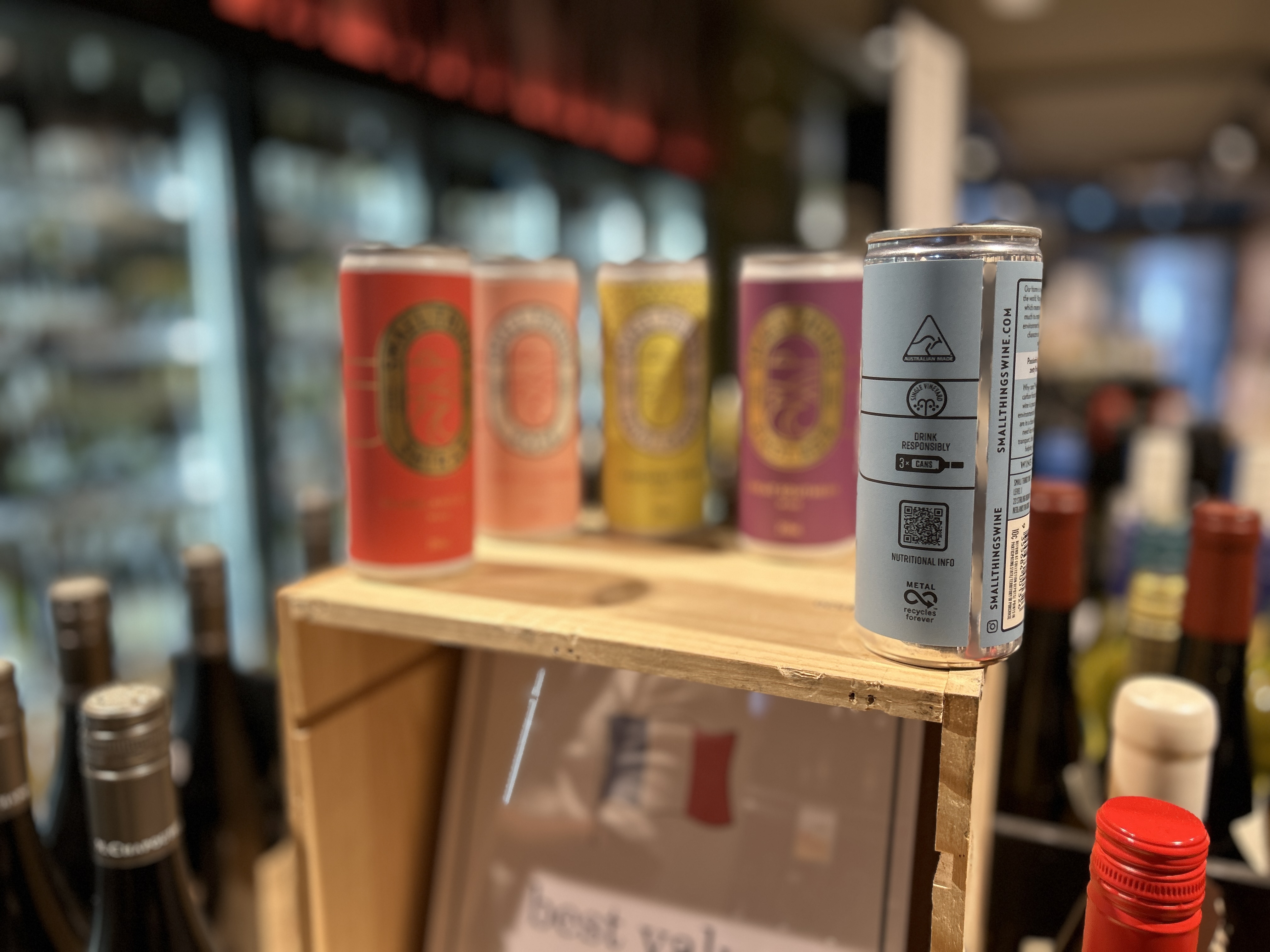
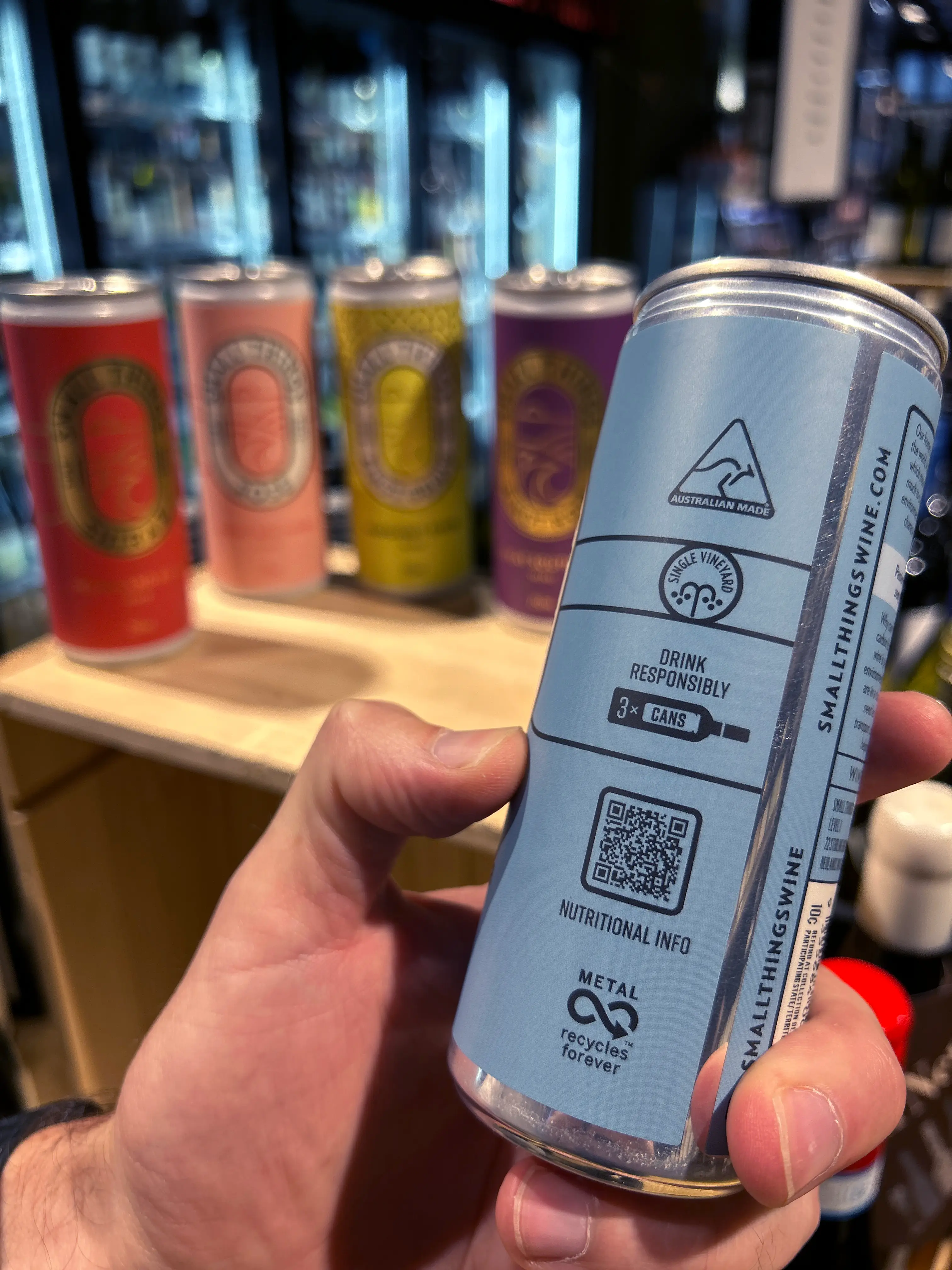
Now that same ethos is shaping how the brand approaches digital information. Small Things Wine is one of the first independent wine brands in Australia to adopt GS1 compliant 2D barcodes on pack, giving consumers and regulators instant access to the details that matter. For Ian, the shift is about setting up the brand for a future where accuracy, transparency, and regional compliance define how wine moves across borders. As he puts it,
“If information is going to sit on the product, it needs to be correct everywhere the product goes. That is non-negotiable.”
A Lesson from a Missed Opportunity
Prior to adopting 2D barcodes, Ian faced a challenge that shaped his thinking. A Swedish customer rejected their label as non compliant because the QR code on the product led to a single global webpage that contained marketing information. It did not meet the market’s regulatory guidelines, and without a way to localise the content, the opportunity was jeopardised.
It was a moment that highlighted a simple truth. You cannot export confidently if every market sees the same generic experience. Ian recalls,

Why 2D Barcodes Matter for Wine
Wine exporters face rapidly changing regulatory expectations. The EU nutritional and ingredient disclosure rules are reshaping the category, and more markets are expected to follow. For a small but fast growing wine brand, relying on traditional packaging to carry every requirement forces constant relabels, redesigns, and operational friction.
With Orijin Plus, Ian can now create regionally compliant digital experiences in minutes. One GS1 2D barcode on pack automatically resolves to the right disclosures in Europe, regional specific content in Asia, and Australian compliant information at home.
“Being able to set up a regionally correct experience in five minutes is the difference between missing an opportunity and securing one” Ian says.
Sustainability in Both Packaging and Information
Small Things Wine has always prioritised reducing environmental impact through recyclable packaging and low footprint shipping. Connected packaging extends that ethos into the digital layer. Instead of reprinting labels every time a rule changes, the brand can update disclosures, sustainability statements, or batch information instantly through Orijin Plus..
For Ian, this matters deeply.
“Sustainability does not stop at the can. It also applies to how much waste you create trying to keep information accurate. Digital updates instead of reprints are a huge advantage.”
Packaging That Talks to Consumers
Beyond compliance, connected packaging allows Small Things Wine to express the craft behind each release. A scan at the shelf can reveal tasting notes, vineyard information, sustainability commitments, or the story of how each batch was produced. Consumers no longer rely on a few centimetres of space on a can. The wine can tell its own story.
Ian sees this as a natural extension of the brand.
“Consumers want to know more and they deserve to know more. Connected packaging lets us give them information in a clean, simple, and respectful way.”
Looking Ahead
Small Things Wine is proving that independent brands can lead. By embracing GS1 2D barcodes early and pairing them with Orijin Plus, Ian has turned a past setback into a strategic advantage. Every can of wine now carries regionally compliant disclosures, transparent storytelling, and a sustainability mindset that mirrors the brand’s values.
This is more than a packaging upgrade. It is the beginning of a smarter, more responsible way for wine to move across a global market. Small Things Wine shows that when craft, sustainability, and technology work together, even the smallest can make a significant impact.
“The GS1 2D barcode means one scan can deliver different content depending on the market. For us as an exporter, that’s essential given how many markets we’re in, and knowing it will also work at checkout in the future is a game changer.”
What’s next