Serialized QR codes explained

Most brands preparing for GS1 Sunrise 2027 know they need a 2D barcode on pack. Fewer know whether that code needs to be serialized, and what serialization actually changes. The two are not the same thing. A standard GS1 QR code identifies a product line. A serialized QR code identifies one specific unit. This article explains the difference, when serialization is required, and what it means for traceability and anti-counterfeiting.
What is a serialized QR code?
A serialized QR code is a 2D barcode that carries a unique serial number for each individual item, not just a shared product identifier. It encodes a GTIN plus a serial number using GS1 Application Identifier 21. The combination is called a Serialized GTIN, or SGTIN, and it uniquely identifies a single unit among all others.
A plain GS1 QR code answers the question "what product is this?" It carries the GTIN, the same number printed across every unit of that line. A serialized QR code answers a sharper question: "which exact unit is this?" Two jars sitting next to each other on a shelf share a GTIN. Give each one a serial number under AI 21 and they become individually distinguishable.
The serial number sits inside the GS1 Digital Link URI alongside the GTIN, so one scan reads both. You can add a batch or lot number (AI 10) and an expiry date (AI 17) in the same code.
When is serialization actually required?
Serialization is not universal. GS1 Sunrise 2027 asks retail point-of-sale systems to read a GTIN from a 2D barcode by 31 December 2027. A serial number is optional for that baseline. Serialization becomes mandatory where a regulation or a brand-protection need demands unit-level identity, such as pharmaceutical packs in the EU.
For the GS1 Sunrise 2027 baseline, a QR code carrying a properly structured GS1 Digital Link URI with the GTIN satisfies checkout. The serial number is listed as required only when the use case calls for it.
The clearest mandate sits in pharmaceuticals. Under the EU Falsified Medicines Directive, every saleable medicine pack must carry a unique serial number of up to 20 alphanumeric characters inside a 2D DataMatrix. For food, beverage and most consumer goods, serialization is a choice driven by traceability, recall precision, or anti-counterfeiting, not a blanket requirement of the 2027 transition.
How does serialization help with anti-counterfeiting?
A unique serial number per unit makes each item verifiable on its own. A counterfeiter can copy one QR code, but cannot easily reproduce thousands of valid, individually tracked serials. When a brand can confirm whether a scanned serial is genuine, unused, or already claimed, duplicated codes are exposed instead of trusted.
This matters because counterfeiting is large and persistent. The OECD and EUIPO estimated global trade in fake goods at USD 467 billion in 2021, around 2.3 percent of world imports.
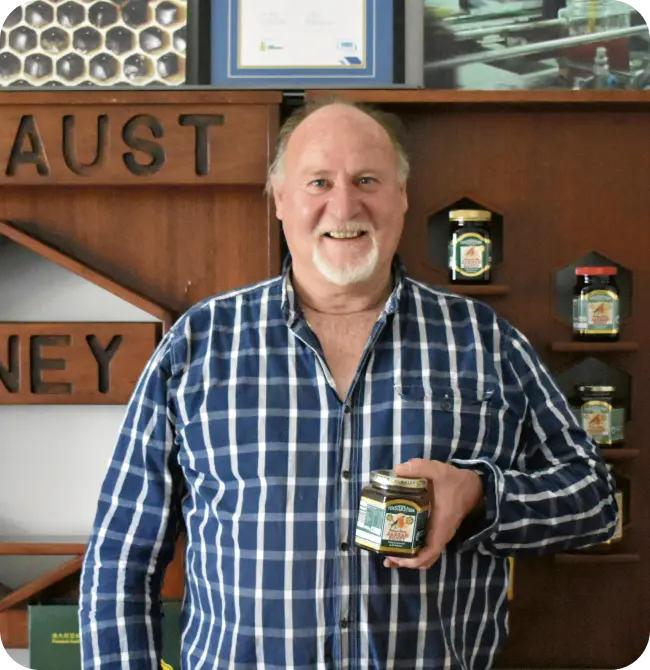
Honey is one of the most counterfeited foods, which is why Fewsters Farm Honey paired each jar's serialized QR code with a second hidden UID. The chain only completed inside the platform when both codes were scanned and matched, so a copied QR code on its own was worthless.
Does a serialized QR code change how checkout works?
No. Point-of-sale scanners parse the GTIN directly from the GS1 Digital Link URI structure, with no need for an online connection. The extra serial, batch and expiry data sit in the same code without breaking checkout. Everything beyond the till, such as consumer content and traceability, is handled by the resolver, not the POS scan.
This separation is the part most teams get wrong. A serialized QR code still works at checkout because the till only needs the GTIN, which it reads straight from the URI offline. The serial number, the dynamic content and the audience-specific routing all live in the web layer.
Our co-founder James Williamson has gone on record that the resolver layer used in decision-making may end up mattering more than the physical code printed on the pack. The code is the doorway. The resolver decides what each scanner sees. If you want the underlying mechanics, our guide on serialization versus track and trace breaks down where one ends and the other begins.
Small Things Wine exports into many markets at once, and founder Ian Batt found the same single code covered both jobs.
How Orijin Plus helps
Orijin Plus is a GS1 Alliance Partner and generates GS1-compliant QR codes with GS1 Digital Link URIs on every plan tier, with serial, batch and expiry data encoded where you need it. The managed resolver routes each scan to the right content by audience, market or batch.
One serialized code covers checkout, traceability and consumer engagement at once, so you are not printing a second barcode to service the web layer.
If you are preparing for the GS1 Sunrise 2027 transition and weighing whether to serialize, start by mapping which SKUs carry real counterfeiting or recall risk. Those are the ones where unit-level identity earns its place.
FAQ
Is a serialized QR code the same as a GS1 Digital Link QR code?
Not quite. A GS1 Digital Link QR code encodes product data in a web-address structure and may carry only a GTIN. It becomes serialized when a unique serial number under Application Identifier 21 is added, giving each individual unit its own identity. Every serialized QR code is a GS1 Digital Link code, but not every GS1 Digital Link code is serialized.
Do I need serialized QR codes for GS1 Sunrise 2027?
Not for the baseline. GS1 Sunrise 2027 asks retail point-of-sale systems to read a GTIN from a 2D barcode by 31 December 2027. A serial number is optional at that level. You only need serialization if a specific regulation, recall requirement, or anti-counterfeiting goal calls for unit-level identity rather than product-level identity.
What is the difference between a batch number and a serial number?
A batch or lot number (AI 10) identifies a group of units made together. A serial number (AI 21) identifies one individual unit within that group. Batch data narrows a recall to a production run. Serial data narrows it to a single item. A GS1 QR code can carry both at once inside the same Digital Link URI.
Can one serialized QR code work at both checkout and for consumers?
Yes. The point-of-sale scanner reads the GTIN straight from the URI structure offline, ignoring the rest. The same code, through a resolver, can serve consumers, regulators and supply chain partners different content from a single scan. One physical code does the functional job and the consumer-facing job without a second barcode on pack.
Does serialization require a packaging redesign?
No. A serialized QR code replaces or sits alongside your existing codes in the same footprint. You generate a GS1-compliant code with the GTIN and serial number, set it on your domain, and export to your printer. The packaging artwork does not need rebuilding to add unit-level identity.
How many serial numbers can a brand generate?
In practice, as many as you have units. Under the EU Falsified Medicines Directive, each serial can be up to 20 alphanumeric characters, which allows for an enormous range of unique values. The limit is not the format. It is whether your platform can generate, store and verify serials at the volume your production runs demand.
Are serialized QR codes only for high-value products?
No. Serialization is common in pharmaceuticals and luxury goods, but any brand exposed to counterfeiting or tight recall requirements can benefit. Honey, wine, baby food and supplements all carry authenticity or traceability risk. The question is not product price. It is whether unit-level identity solves a real compliance or brand-protection problem for you.